As part of the Great Somerset Wildlife Count, the Bat Group is helping people to find and count the bats of their local area with our community mapping project.
If you are a community group (wildlife, gardening, church …etc), or just a group of friends or neighbours, in Somerset who would like help to do a Big Bat Count on your patch then please do get in touch – somersetbatgroup@gmail.com
The current list of Big Bat Counts currently planned for 2026 is listed below:
- Fri 1st May – Frome1 Big Bat Count
- Tue 12th May – Axevale
- Sat 13th June – Shepton Beauchamp
- Weds 24th June – Berrow
- Sat 27th June – Heal rewilding
- Fri 24th July – Highbridge
- Sat 1st Aug – Castle Cary
- Tue 4th Aug – Frome2 Big Bat Count
- Fri 7th Aug – Blagdon Hill, near Taunton
- Sat 8th Aug – SANHG, Taunton
- Fri 14th Aug – Drayton
- Sat 22nd Aug – Bridgwater
- W’end 28 Aug – Kingsdon
- Fri 11th Sept – Charltons
The results FAQ aims to answer many common questions about the results. Including explanations of why:
- Some observations end up miles away
- The numbers of the “on the night” observations, and verified records added later differ.
Fri 1st May – Frome Big Bat Count
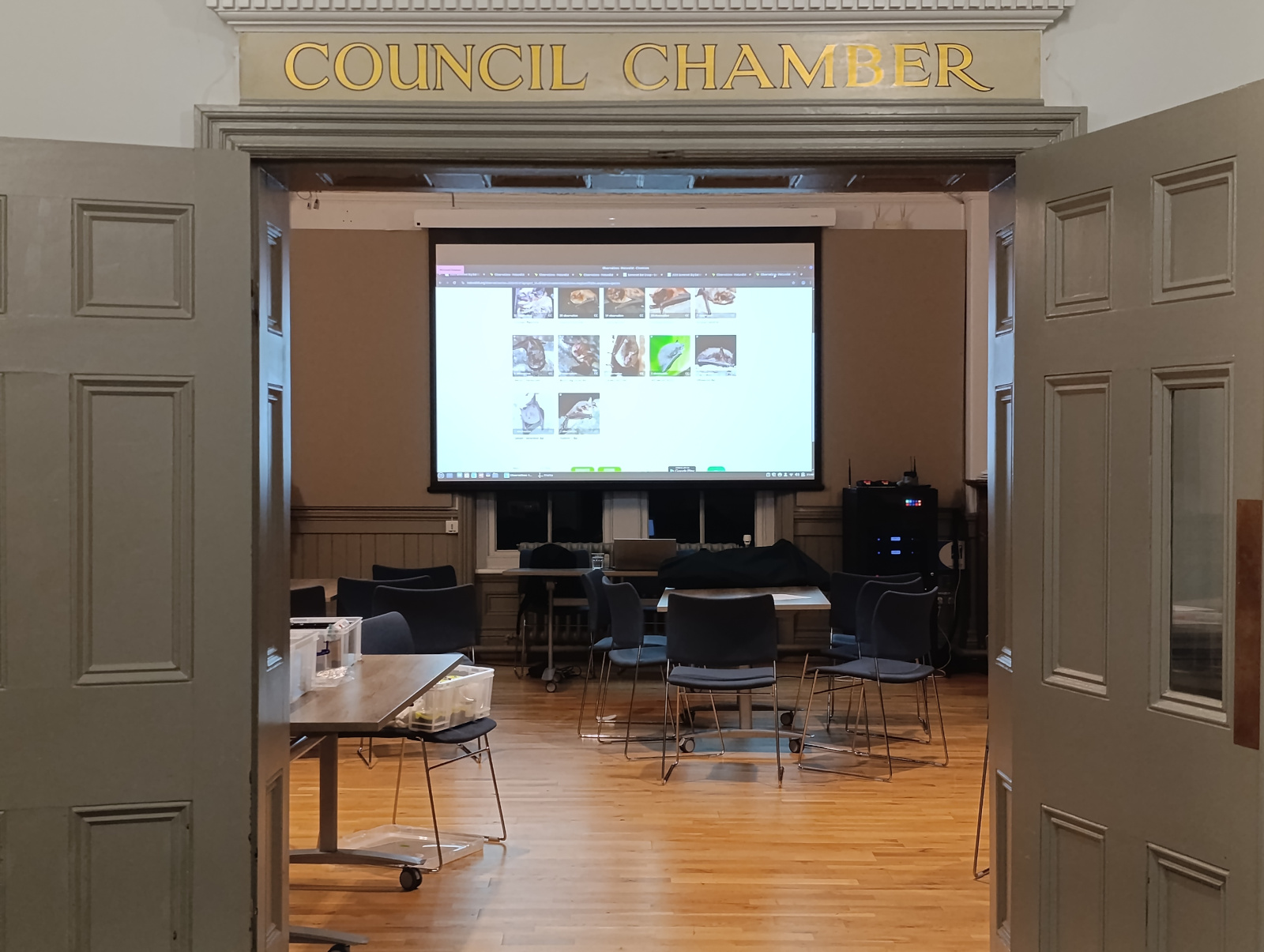
Frome never fails to disappoint, and we had another fully booked Big Bat Count, with many people new to bats. So around 60 people in 11 teams set off into a warm still night. Our thanks once again to Jo from Frome Town Council for superb organising.
A total of 138 bat observations were made across 11 Species. The two Pipistrelle species were again the most commonly seen, then Serotine and Noctule. There were a couple of Greater Horseshoes recorded, but only one added as an observation. As usual the EMT’s auto IDed a number of Leisler’s (lesser Noctule), but these usually turn out to be noise or Serotines after verification.
Initial unverified observations from the night of 1st May 2026 are in iNaturalist:
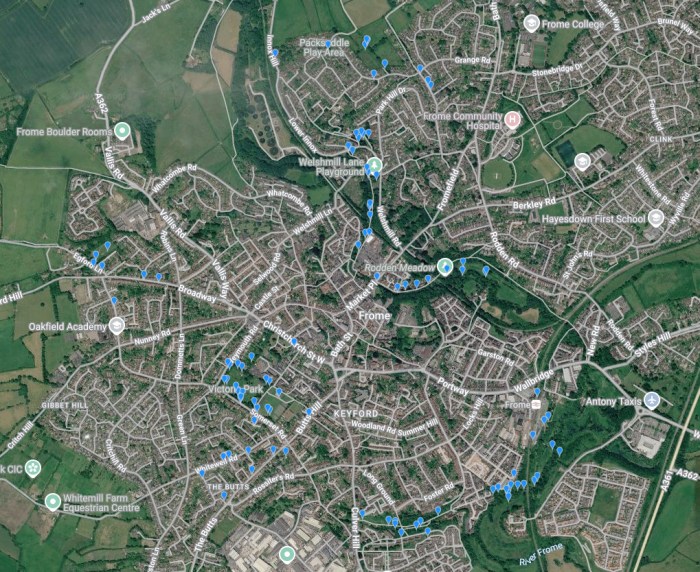
The recordings made on the night have now been downloaded and analysed. There were a total 568 bat passes recorded across 7 species. The majority being Common Pipistrelle (33%) and Soprano Pipistrelle (32%). Serotine (12%) were also common, and there were a surprising number of Lesser Noctule (Leisler’s) 6% identified, which will need more verification. A handful of Daubenton’s (1%), a similar small number of Noctule, and lastly one recording of a Greater Horseshoe.
Tues 12th May – Axevale Big Bat Count
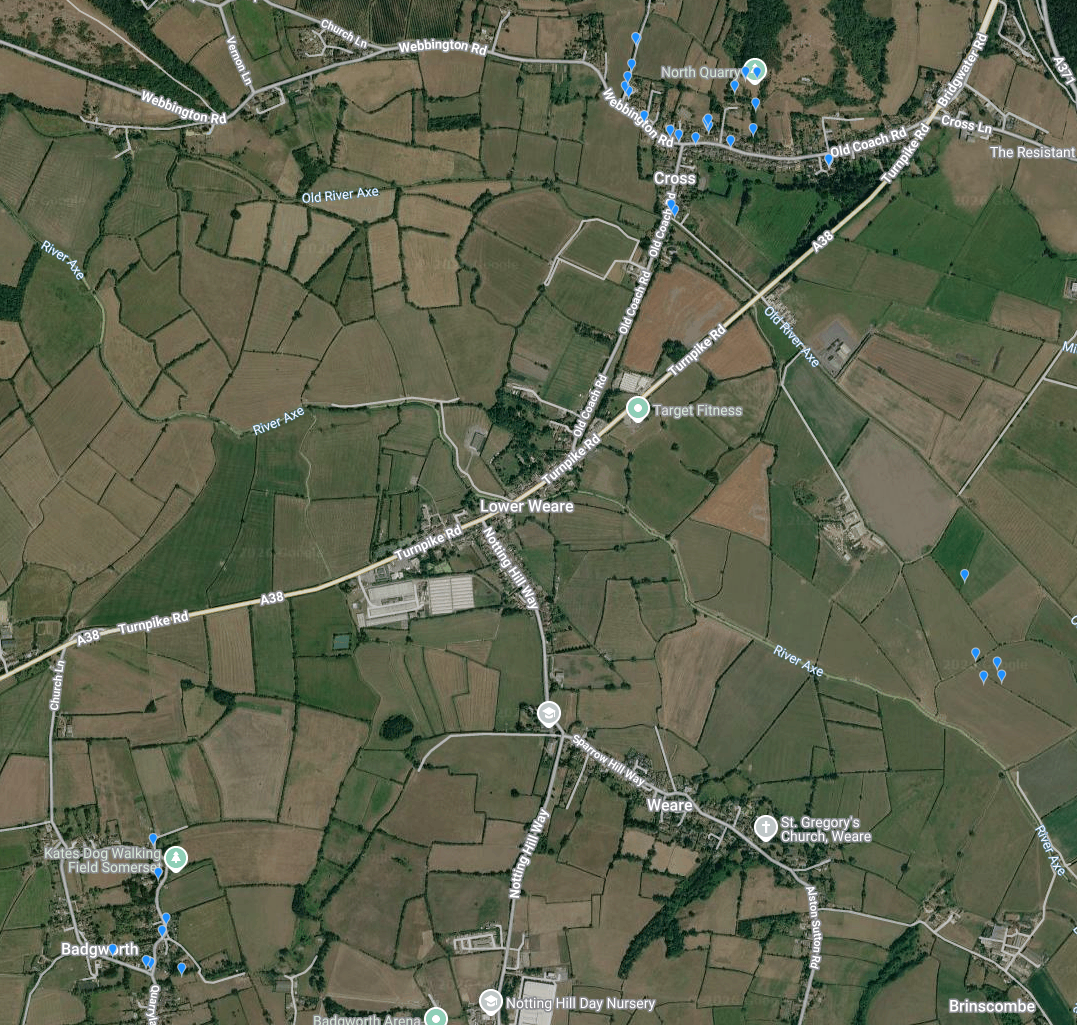
Around 21 people met in Cross Village Hall for a Big Bat Count organised by Axevale Climate Action.
A chilly and quite windy night saw 5 teams head out to survey Cross and Badgworth. A total of 63 bat observations were made across 10 species, with Common Pipistrelle and Soprano Pipistrelle being the most frequently observed. There was one observation of Greater Horseshoe near North Quarry. The other 7 species observed will need more verification.
Initial unverified observations from the night of 12th May 2026 are in iNaturalist:
The recordings made on the night have now been downloaded and initial analysis done. There were a total 168 bat passes recorded across 7 species. The majority being Common Pipistrelle (40%) and Soprano Pipistrelle (36%). Serotine (8%) were also seen frequently. The remaining species were a small number of Noctule and Daubenton’s (2%), a possible Natterer’s, and lastly two recordings of Greater Horseshoes.
Sat 13th June – Shepton Beauchamp Big Bat Count
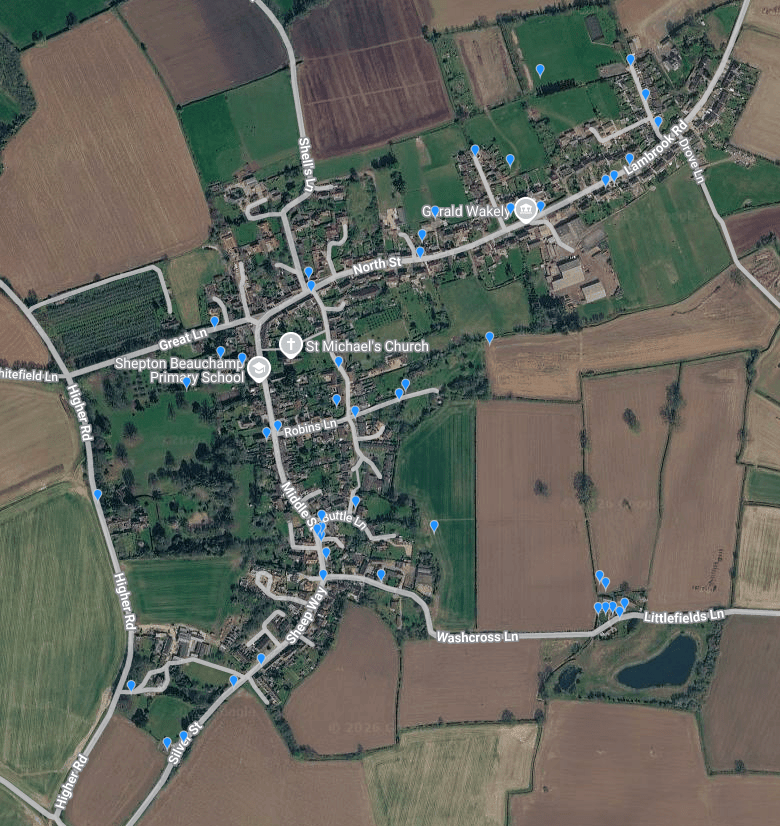
On a warm and increasingly still summer night, around 18 people met in Shepton Beauchamp village Hall for a Big Bat Count by Cowleaze Meadow community group. Many thanks to Jeff for organising.
Six teams headed out to survey the village, and a total of 67 bat observations were made across 6 species, slightly up on the previous count in May 2025. Common Pipistrelle and Soprano Pipistrelle being the most frequently observed. There were three observations of Barbastelle, which are a possibility as one was verified at last year’s count.
Initial unverified observations from the night of 13th June 2026 are in iNaturalist:
The recordings made on the night have now been downloaded and initial analysis done. There were a total 236 bat passes recorded across 7 species. The majority being Common Pipistrelle (59%) and Soprano Pipistrelle (22%). Serotine (13%) were also heard frequently. There were a small number of Noctule (4%), and single recordings of Natterer’s, Whiskered and Lesser Noctule (Leisler’s) which will need more verification. Unfortunately, analysis did not find a recording of a Barbastelle this time.
Weds 24th June – Berrow Big Bat Count
After several postponements due to weather we finally did a Big Bat Count in Berrow, and it turned out to be a record breaker:
- The latest start – of any Big Big Bat Count to date. Sunset doesn’t get much later than 21:32!
- The hottest ever count – 28°C at the start, dropping to 26°C at the end!
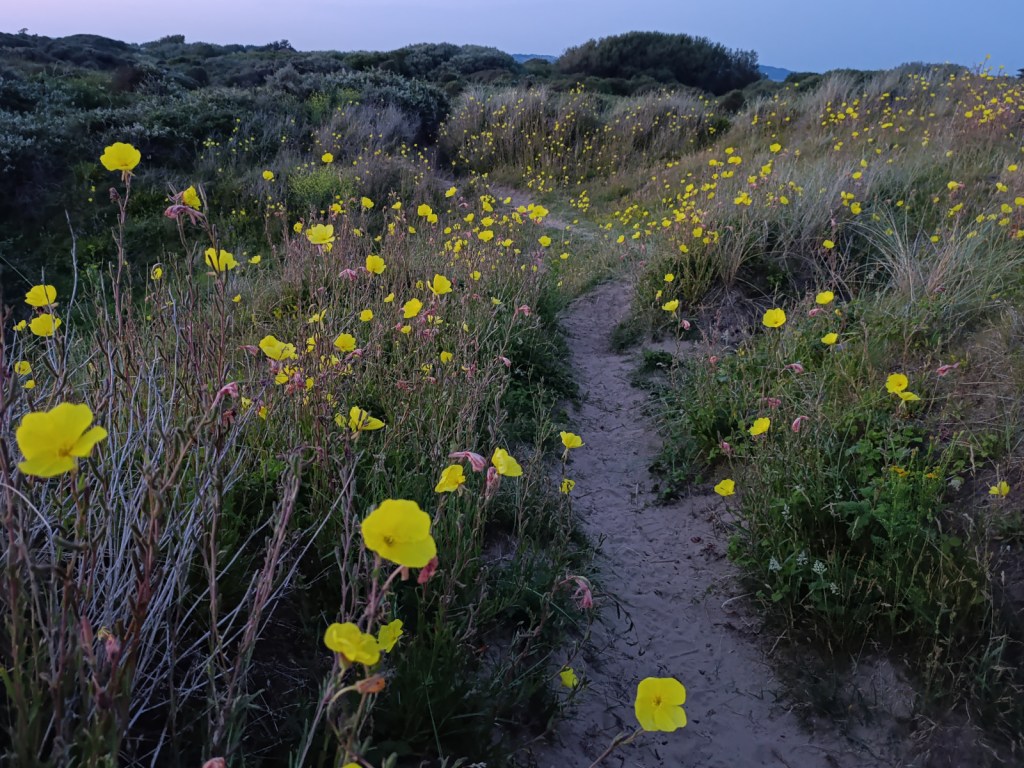
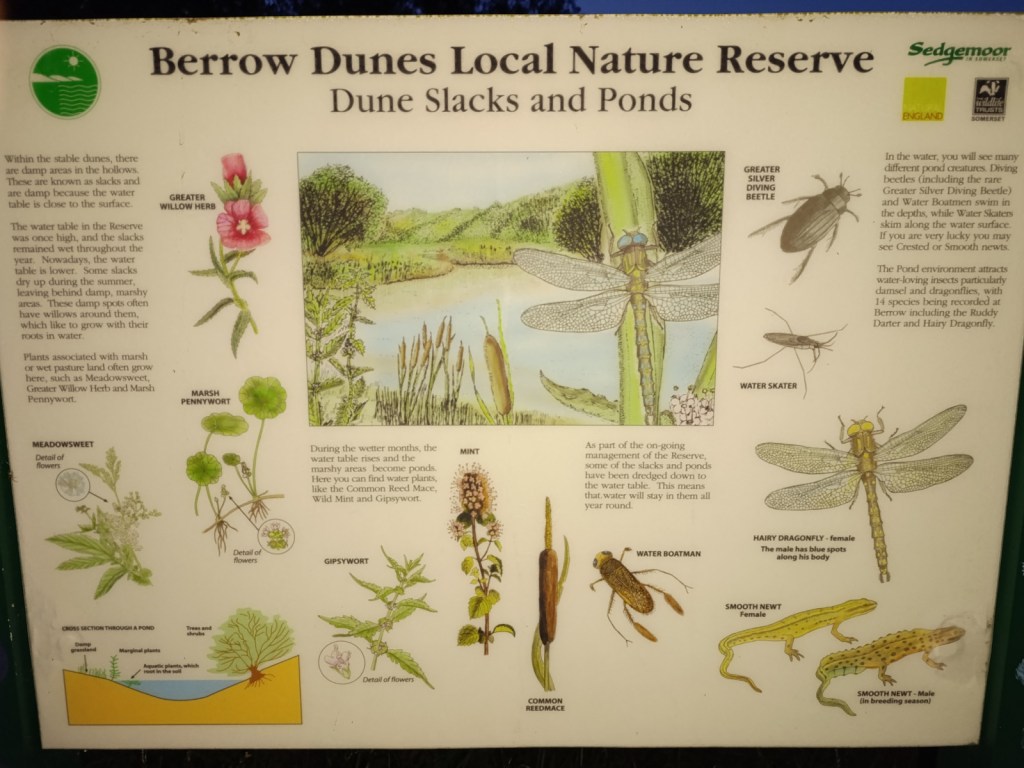
Around 15 people from the Berrow Conservation Group met in Berrow Dunes car park and split into three teams. For whatever reason it was a slow start, with the first bat seen at 10:11PM. This is perhaps due to heat, or maybe the wide open western sky’s? This story continued, with a total of only 15 bat observations made of 2 species. Common Pipistrelle and Noctule. The low number of bats is not due to lack of food, there were insects and moths in abundance. So perhaps the lack of suitable roosts nearby is the limiting factor?
Initial unverified observations from the night of 24th June 2026 are in iNaturalist:
- Species observed during the Berrow Big Bat Count
- Bat Map produced on the night of the unverified observations
Many thanks to Lesley for organising, and the patience with rescheduling.
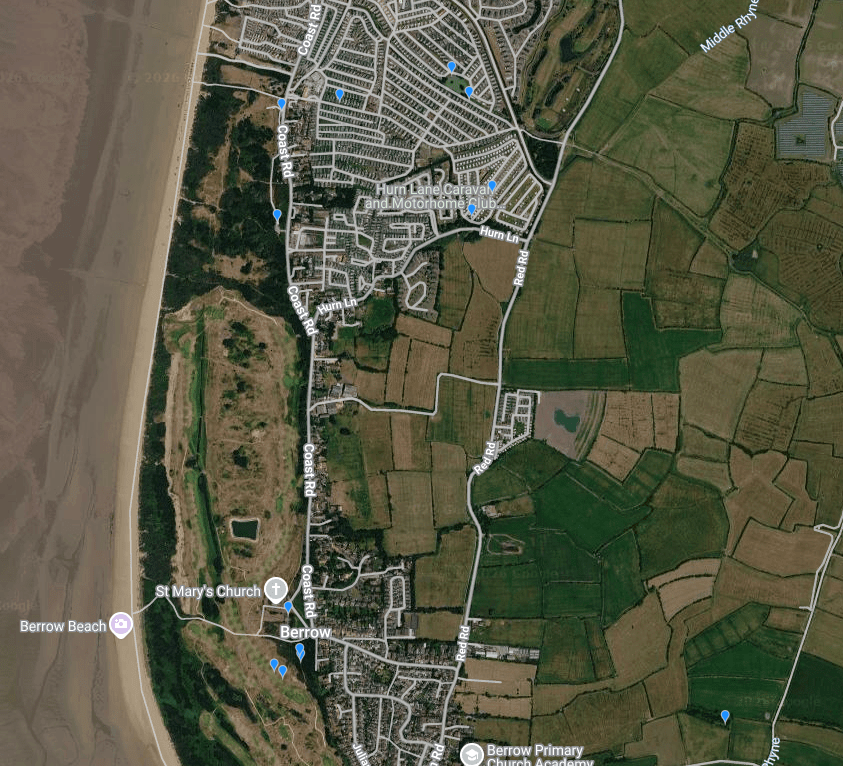
The recordings made on the night have now been downloaded and initial analysis done. There were a total 64 bat passes recorded across possibly 4 species. The majority being Common Pipistrelle (51%) and Noctule (45%). There were also single recordings of possible Serotine and Lesser Noctule (Leisler’s) which will need more verification.
Sat 27th June – Heal Rewilding Big Bat Count
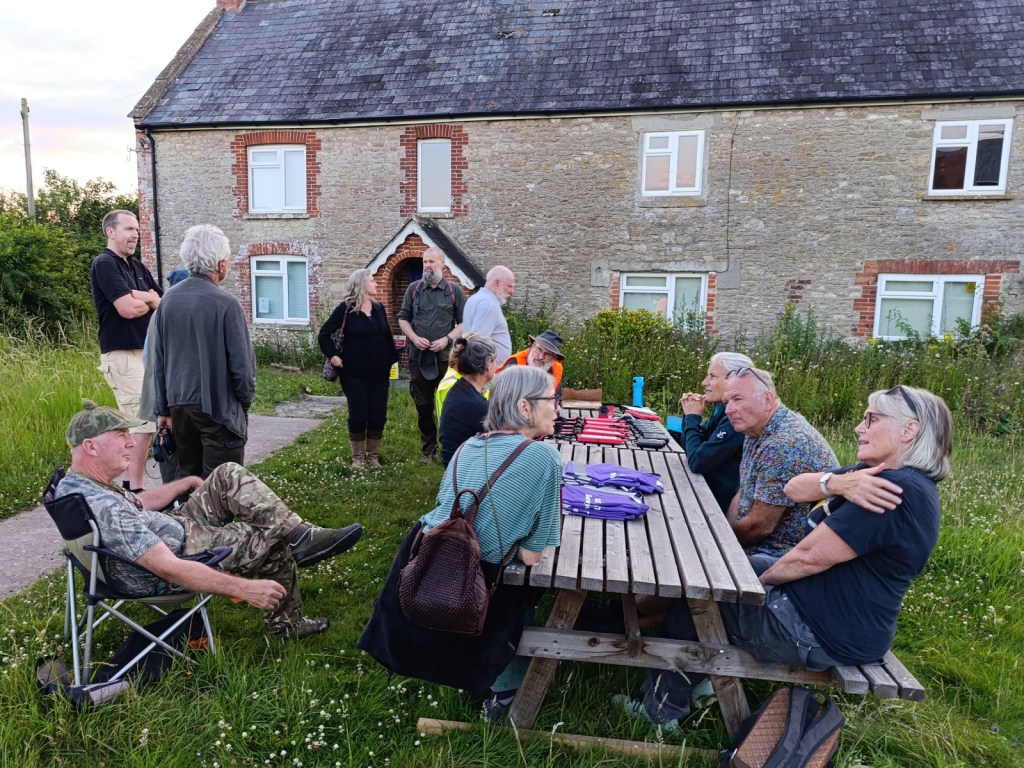
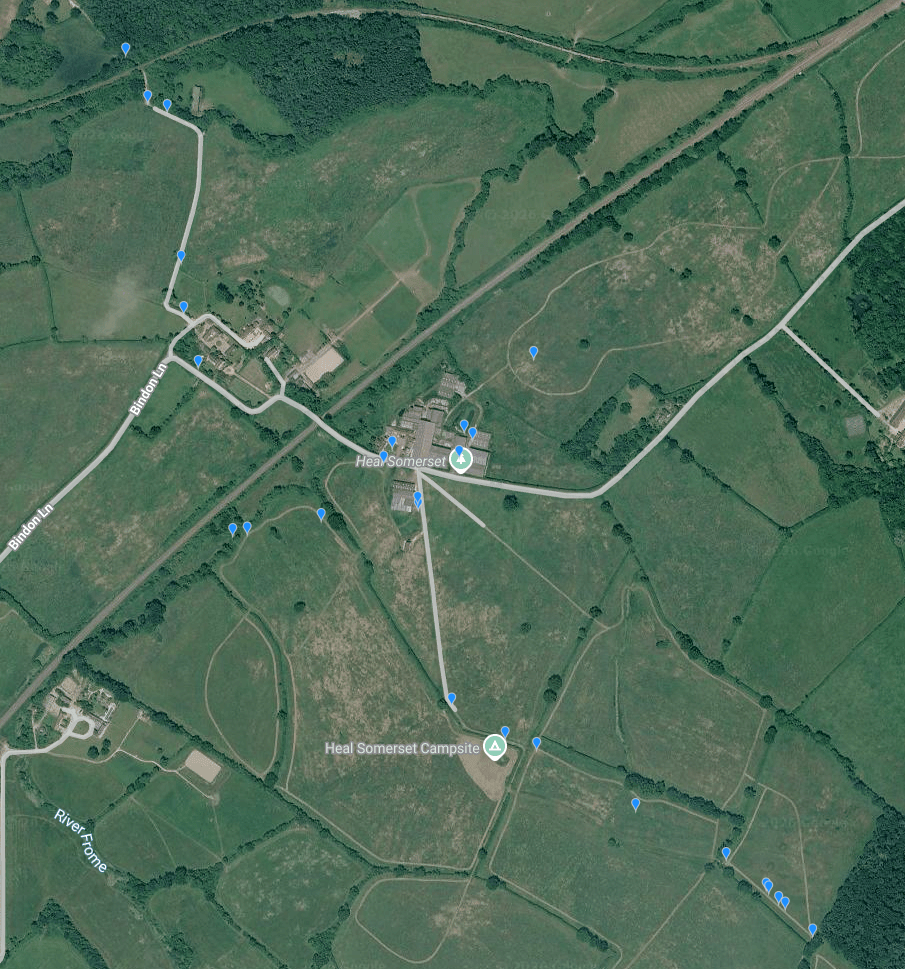
Around 18 football refugees met on a warm and still night at Heal Rewilding near Witham Friary. After the briefing, the group split into 4 teams to explore different areas on the farm.
Slightly surprisingly it was a quiet bat night, with the first bats seen well after sunset, almost 10PM. A total of 29 bat observations were made across 5 species, with Common Pipistrelle and Soprano Pipistrelle being the most frequently observed. Along with a couple of Lesser Horseshoes, which roost in the farm buildings.
Initial unverified observations from the night of 27th June 2026 are in iNaturalist:
- Bat Map produced on the night of the unverified observations
- Species observed during the Heal Big Bat Count
Many thanks to Katie and Keith for organising, and the help with rescheduling!
The recordings made on the night have now been downloaded and initial analysis done. There were a total 154 bat passes recorded across a possible 5 species. The majority being Common Pipistrelle (81%) and Soprano Pipistrelle (16%). There were two passes of Serotine and Daubenton’s. Then just a single recording of possibly a Nathusius’ Pipistrelle which will need more verification.
Fri 24th July – Highbridge Big Bat Count
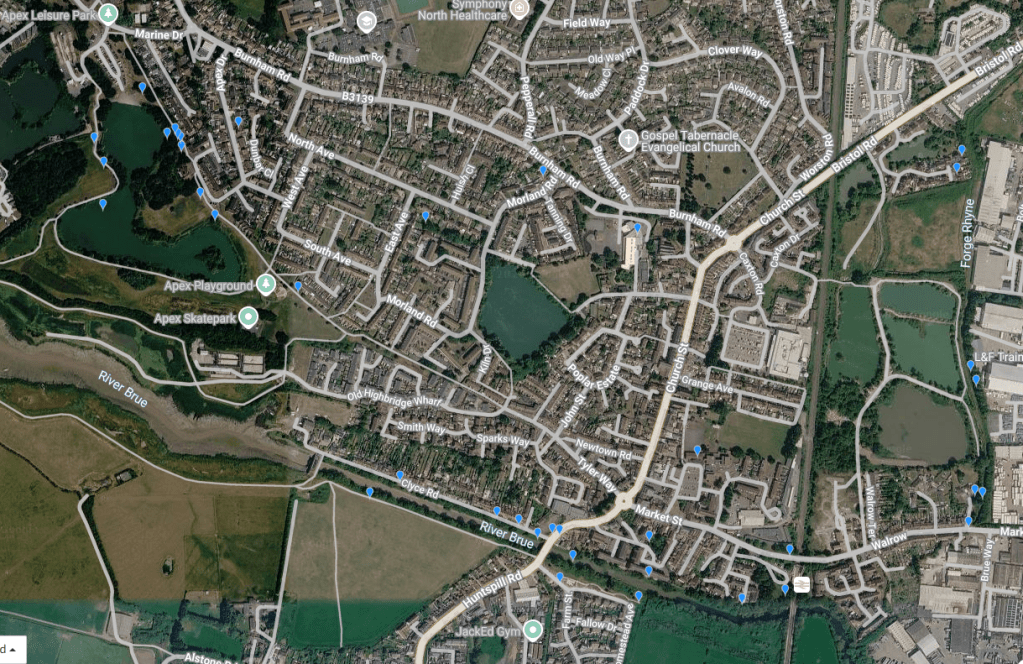
Around 15 people met on a warm and surprisingly breezy night in a Highbridge car park. After the briefing, the group split into 3 teams to explore the wilder areas of Highbridge.
In the past Highbridge’s vast open western sky has meant the bats were late to emerge, but this year the first bats were seen at 9:35PM only 25mins after sunset. A total of 27 bat observations were made across 6 species, with Common Pipistrelle and Soprano Pipistrelle being the most frequently observed.
Initial unverified observations from the night of 24th July 2026 are in iNaturalist:
The recordings made on the night have now been downloaded and initial analysis done. There were a total 219 bat passes recorded across a possible 6 species. The majority being Common Pipistrelle (60%), Soprano Pipistrelle (28%) and then Noctule (9%) There were three passes of Serotine. Then just a single recording of Daubenton’s, and possibly a Nathusius’ Pipistrelle which will need more verification.
Sat 1st August – Castle Cary Big Bat Count
This count was organised and run by local Bat group member Neville and he reports:
“The fifth annual bat count in Castle Cary and Ansford enjoyed a still, largely clear night, pleasantly cooler than in recent weeks. 24 people divided into five groups to survey different parts of town, including for the first time the new estates that have been built to the north-west.
There were 42 observations on the night, half as many as last year; this may be evidence for bats having suffered from this year’s drought and heat, but also some groups had a few issues with the equipment, especially iNaturalist – one group’s observations haven’t been uploaded yet. 7 species were observed; Common Pipistrelles were the majority as usual (59%), followed by Serotines (17%) and equal numbers of Noctules and Soprano Pipistrelles (9% each).
The other observations need to be verified – and in the case of the Greater Horseshoe at least, are almost certainly false. On the other hand, the group that hasn’t uploaded its results yet was positive that it got a good Brown Long-Eared signal…
Many thanks to Keith Ball for help on the night.”

Initial unverified observations from the night of 1st August 2026 are in iNaturalist:
- Bat Map produced on the night of the unverified observations
- Species observed during the Castle Cary Big Bat Count
The recordings made on the night have now been downloaded and initial analysis done. There were a total 143 bat passes recorded across a possible 6 species. The vast majority being Common Pipistrelle (83%) and then Serotine (13%). There were 3 passes of Daubenton’s (2%) recorded. Surprisingly there was only one recording of Soprano Pipistrelle, and likewise one recording of Noctule and Natterer’s which all will need more verification.
Tues 4th August – Frome Big Bat Count #2


Once again we had another fully booked Big Bat Count, with many people returning for another go. So around 50 people in 11 teams set off into a warm but breezy night. Our thanks once again to Jo from Frome Town Council for superb organising and Keith for the help.
A total of 186 bat observations were made across 12 Species, just one less than the same time last year. The two Pipistrelle species were again the most commonly seen. Noctule and Serotine were the next most common, and as usual the EMT’s auto IDed a number of Leisler’s (lesser Noctule), but these usually turn out to be noise or Serotines after verification.
Initial unverified observations from the night of 4th August 2026 are in iNaturalist:
The recordings made on the night have now been downloaded and initial analysis done. There were a total 405 bat passes recorded across a possible 8 species. The majority being Common Pipistrelle (51%), Soprano Pipistrelle (35%) and then Serotine (7%) and Noctule (3%) There were just a few recordings of possible Daubenton’s, Nathusius’ Pipistrelle, Brown Long-eared and Lesser Noctule (Leisler’s) which all will need more verification.
Fri 7th August – Blagdon Hill Big Bat Count
Our second Big Bat Count hosted by the community group in Blagdon Hill on the Blackdowns. Apparently the Bat Count is their most popular event of the year, more popular than plants, moths or butterflies! Huge thank you to Linda for organising everyone.
Around 25 people met in the beer garden of the Lamb and Flag, on a still and warm night and split up into 6 teams. Unfortunately, we are very sorry to say, that only 2 of the 7 EchoMeter tablets actually managed to record for more than a few minutes. It turned out that Wildlife Acoustics the manufacturer of the EchoMeter issued a software update on Tuesday 4/8, that is incompatible with our groups tablets. We have raised this issue with their customer support, and can only offer our apologies for the frustrations with the technology.
Despite these problems a total of 42 bat observations were made across 4 Species. The two Pipistrelle species were again the most commonly seen, along with a few Noctule and brown long-eared.
Initial unverified observations from the night of 7th August 2026 are in iNaturalist:


The recordings made on the night have now been downloaded and initial analysis done. And despite there been only a couple of devices recording, there were a total 98 bat passes recorded across 6 possible species. The majority being Common Pipistrelle (60%) and then several Soprano Pipistrelle (10%). There were a surprisingly large number of possible Lesser Noctule (Leisler’s) (26%) identified, and single recordings of possible Serotine, Natterer’s and Barbastelle, all of which will need more verification.
Sat 8th August – SANHG Big Bat Count

Our first Big Bat Count for Somerset Archaeological and Natural History Group. A warm still Saturday night in a very lively central Taunton. It was lovely to use the newly restored Wyndham Hall with its banked seating, and probably the best projector in Somerset! Many thanks to Christine from SANHG for superb organising.
Around 20 people met, and after the briefing split into 4 teams. A total of 47 bat observations were made across 6 Species. The most commonly observed was the Soprano Pipistrelle, followed by the Common Pipistrelle then Noctule.
Initial unverified observations from the night of 8th August 2026 are in iNaturalist:
- Bat Map produced on the night of the unverified observations
- Species observed during the SANHG Big Bat Count 2026
The recordings made on the night have now been downloaded and initial analysis done. There were a total 192 bat passes recorded across a possible 4 species. The majority being Soprano Pipistrelle (71%) and Common Pipistrelle (25%). There were just a few recordings of Noctule (1.5%) and Brown Long-eared (1%) which will need more verification.
Fri 14th August – Drayton Big Bat Count
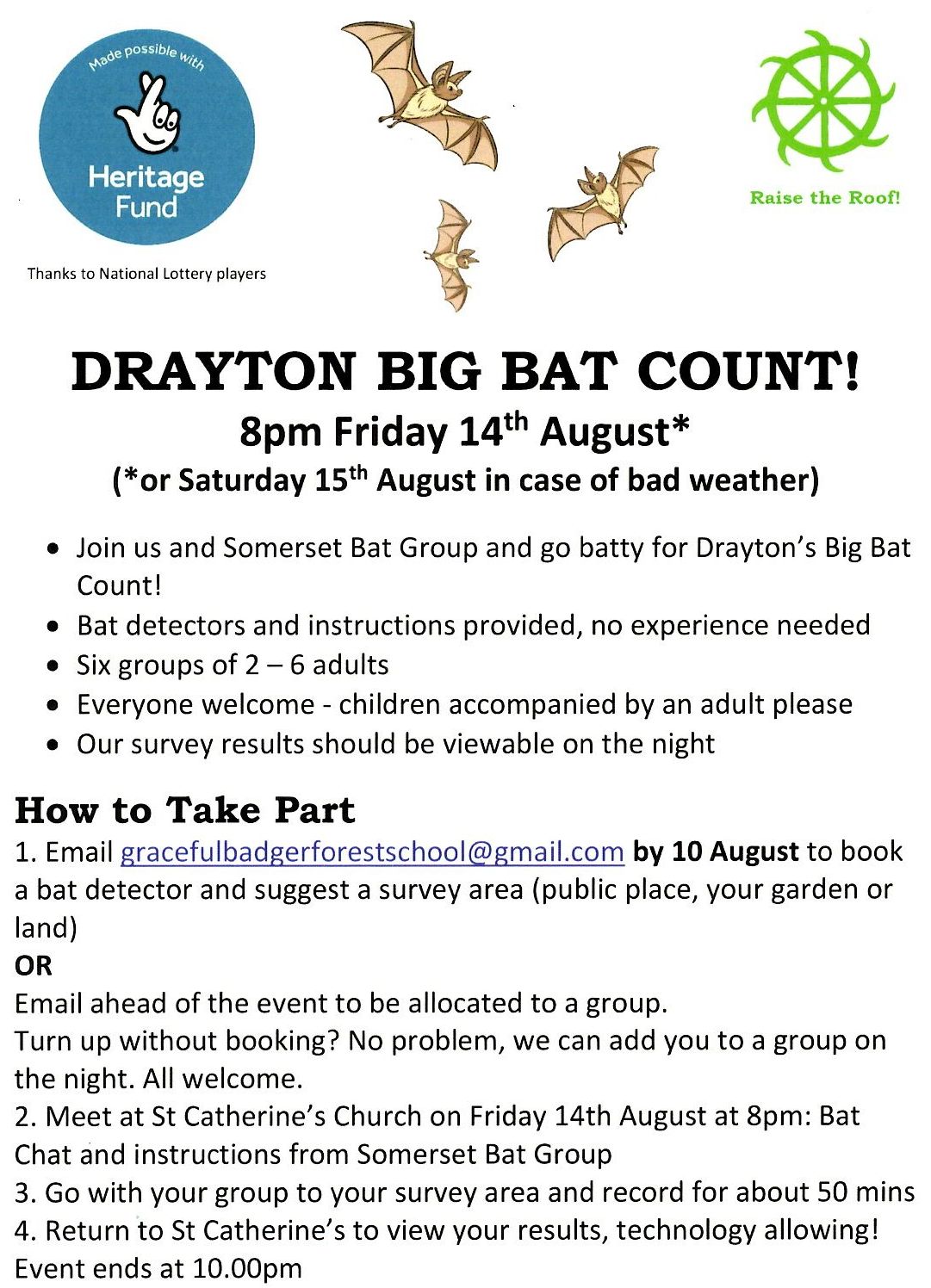
Our first ever Big Bat Count in a church, lent a special atmosphere to the evening! The count was organised by the local community group as part of the St. Catherine’s church “raising the roof” funding bid. Our thanks to Sally for superb organising, and the use of the projector.
Around 25 people met on a very warm (20 degrees!) but quite breezy night, and split off into 6 teams to survey the village. A total of 50 unverified observations were made across 9 species. The two Pipistrelle species were the most commonly seen, along with a few Serotine and Noctule.
Initial unverified observations from the night of 8th August 2026 are in iNaturalist:




The recordings made on the night have now been downloaded and initial analysis done. There were a total 222 bat passes recorded across a possible 8 species. The majority being Soprano Pipistrelle (55%) and Common Pipistrelle (35%),and then Serotine (3.6%) and Noctule (2%) There were just a small number of recordings of possible Daubenton’s (2%), Lesser Noctule (Leisler’s) (1%), and a couple of Natterer’s and Whiskered, all of which will need more verification.
Sat 22nd Aug – Bridgwater Big Bat Count
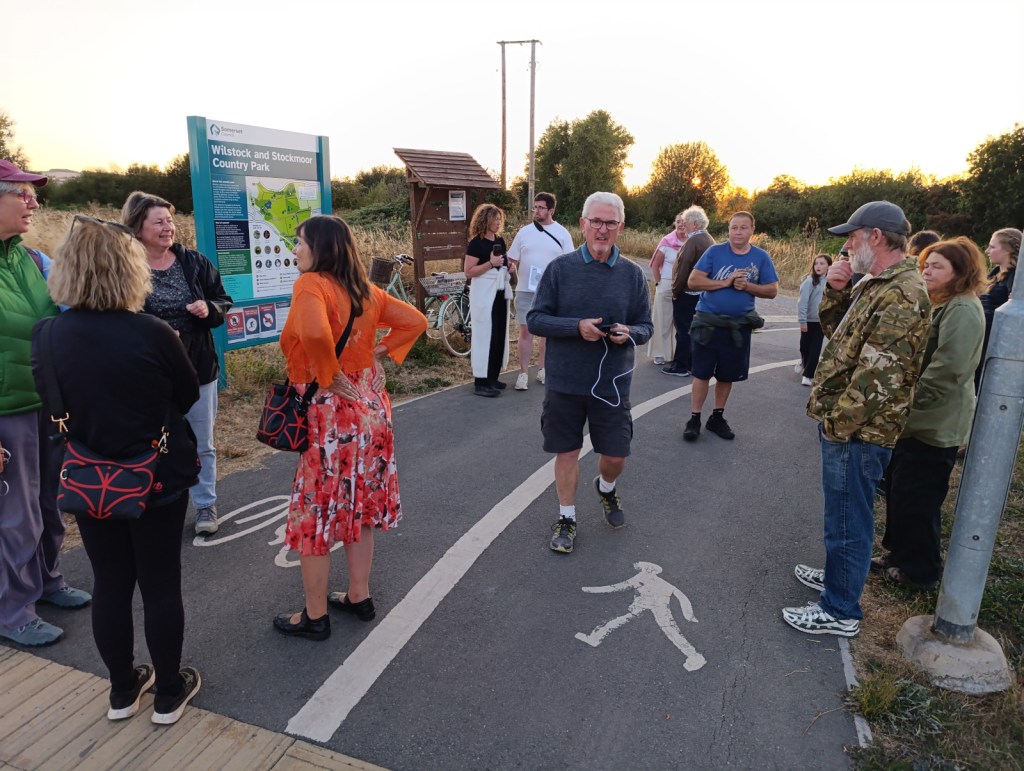
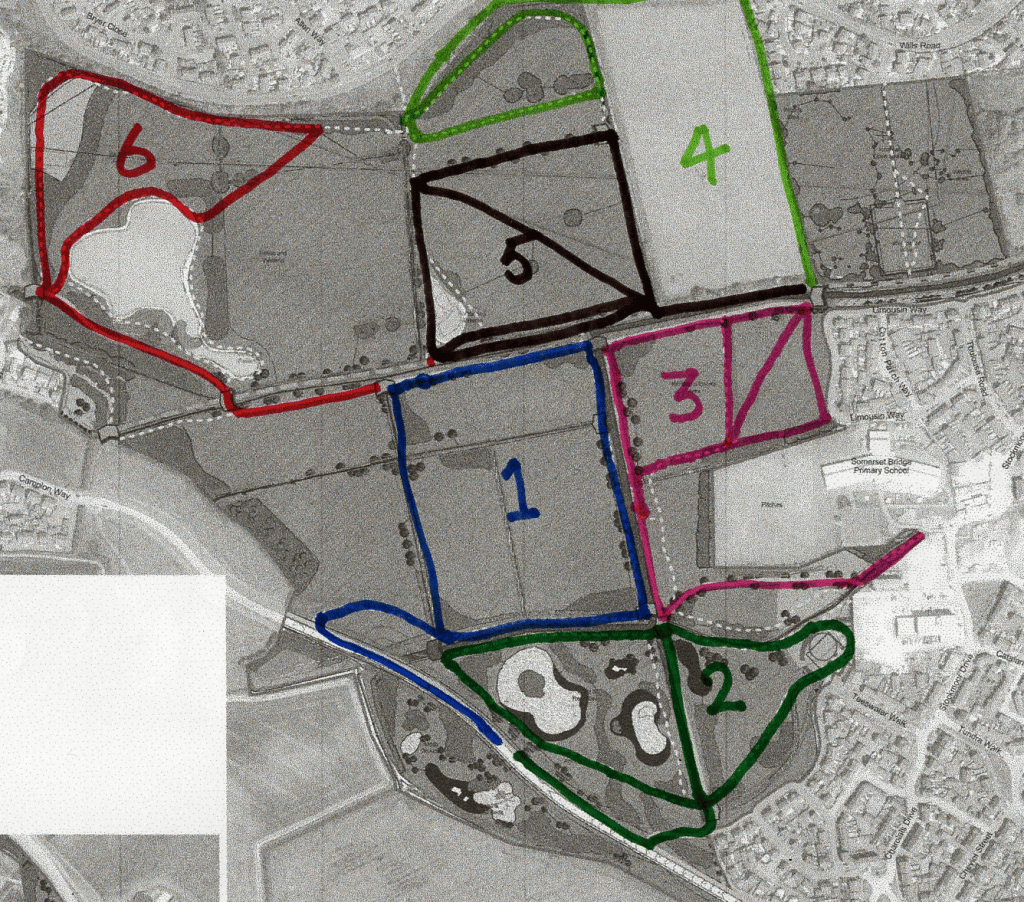
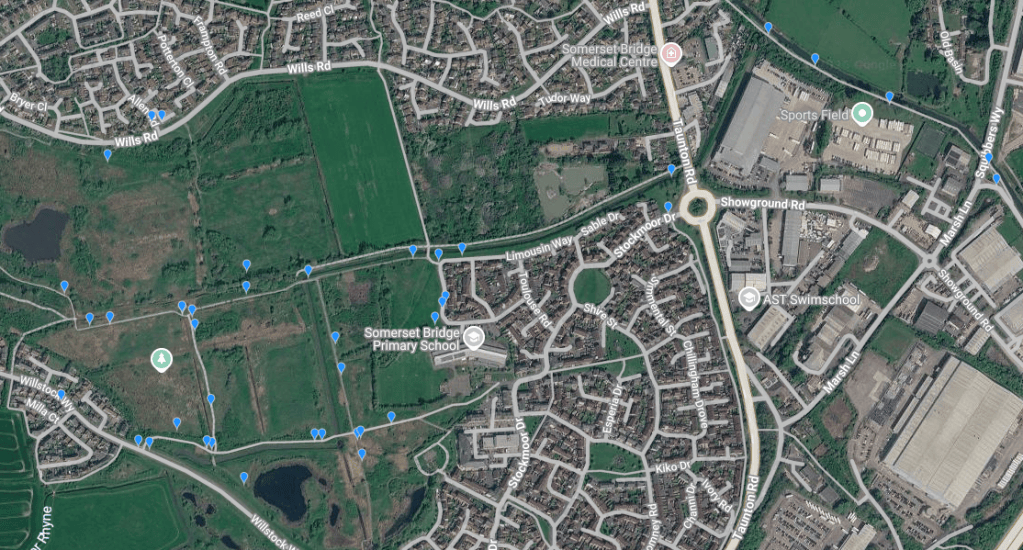
Returning to Bridgwater for another count hosted by the friends of Wilstock and Stockmoor Country Park. Our thanks to Roger for superb organising, and sorting out the maps and the teams.
Around 25 people met on a night that started quite warm, but unlike the rest of this summer cooled off quite quickly. Six teams set off to survey different areas of the country park. A total of 49 unverified observations were made across 10 species. The two Pipistrelle species were the most commonly seen, along with a few Noctules.
Initial unverified observations from the night of 22nd August 2026 are in iNaturalist:
- Bat Map produced on the night of the unverified observations
- Species observed during the Bridgwater Big Bat Count 2026
The recordings made on the night have now been downloaded and initial analysis done. There were a total 163 bat passes recorded across a possible 6 species. The majority being Soprano Pipistrelle (53%) and Common Pipistrelle (40%),and then Noctule (5%).
There were just single recordings of possible Daubenton’s, Lesser Noctule (Leisler’s), and Whiskered, all of which will need more verification.
W’end 28th Aug – Kingsdon Big Bat Count
A Big Bat Count being run by the community in Kingsdon, using Bat Group equipment. Help from bat group members to answer batty questions would be welcome, contact Ian directly if you can help.
Fri 11th Sept – Charltons Big Bat Count
A Big Bat Count being run by Dave a bat group member in Charlton Mackrell, using Bat Group equipment. Help from bat group members would be welcome, contact Dave directly if you can help.
The results will appear here on the night:
- Bat Map produced on the night of the unverified observations
- Species observed during the Charltons Big Bat Count 2026